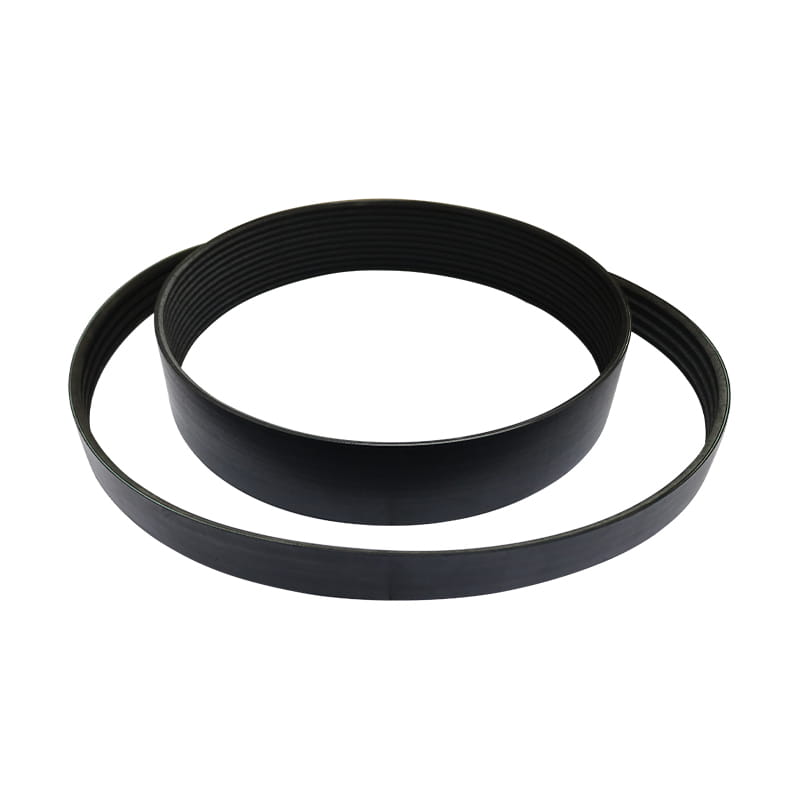
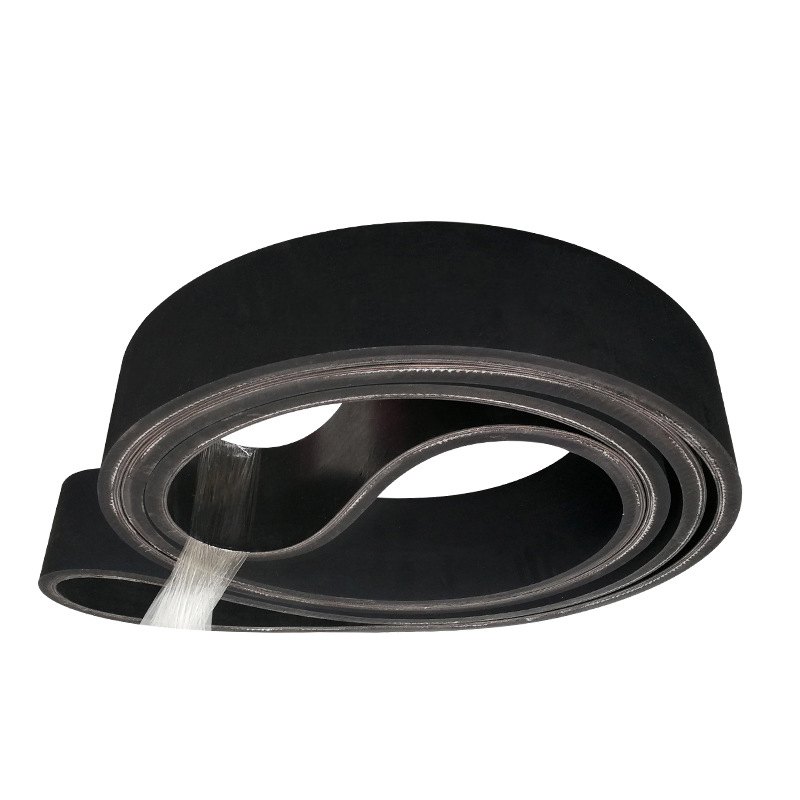
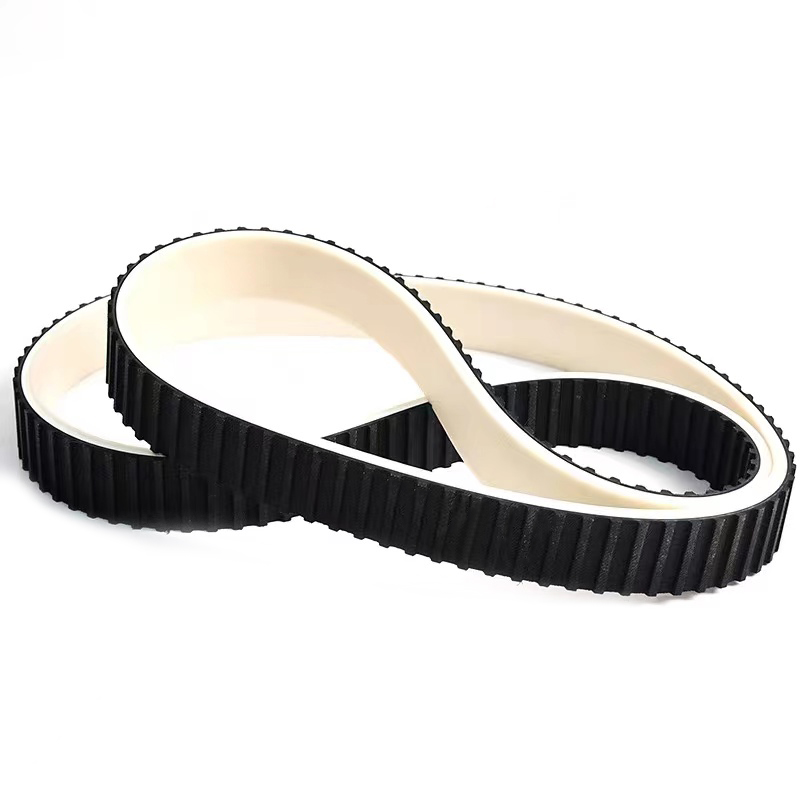
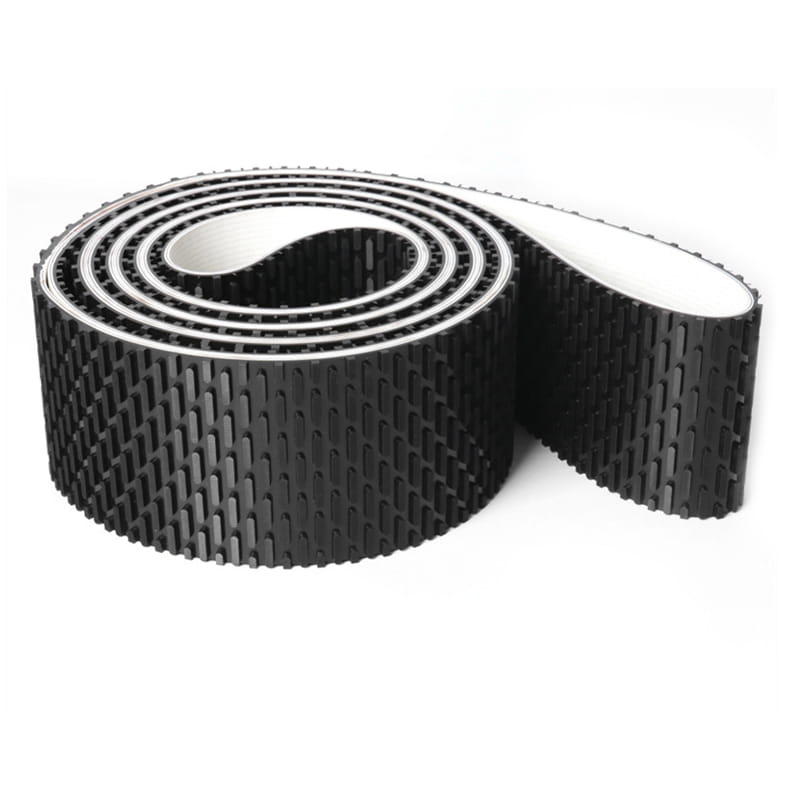
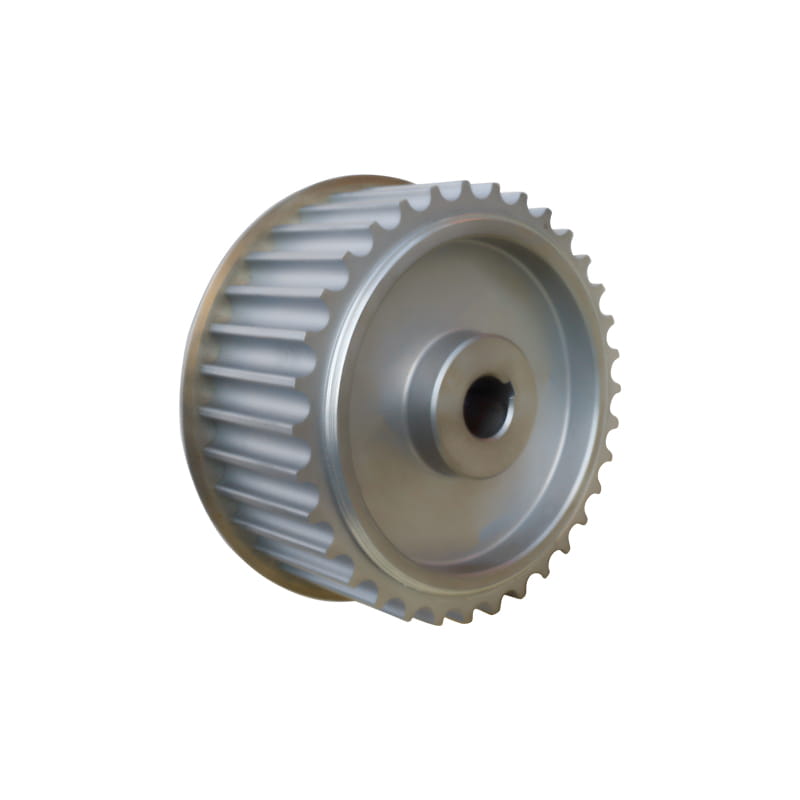
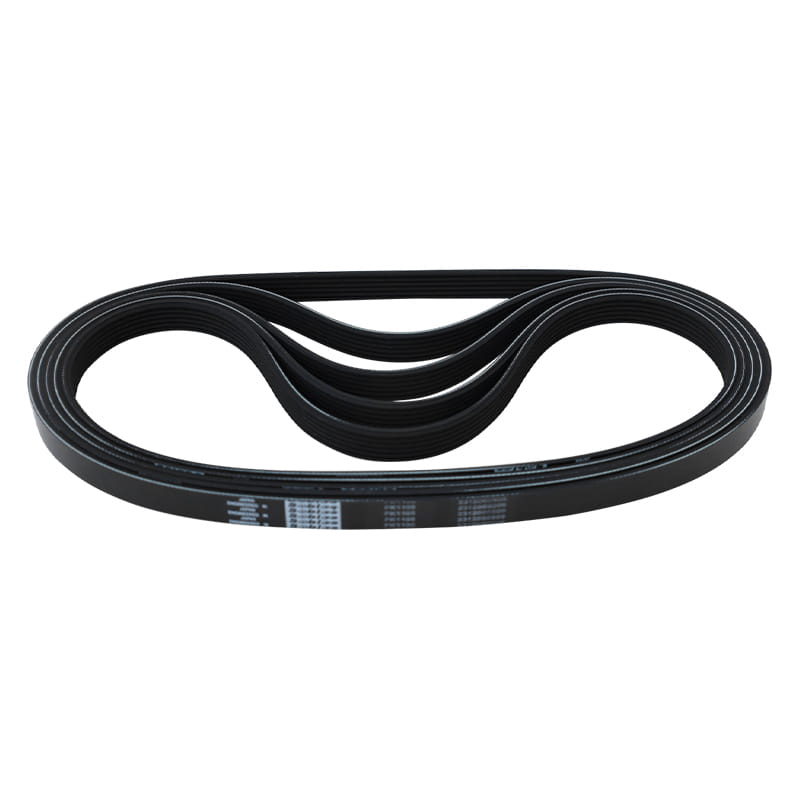
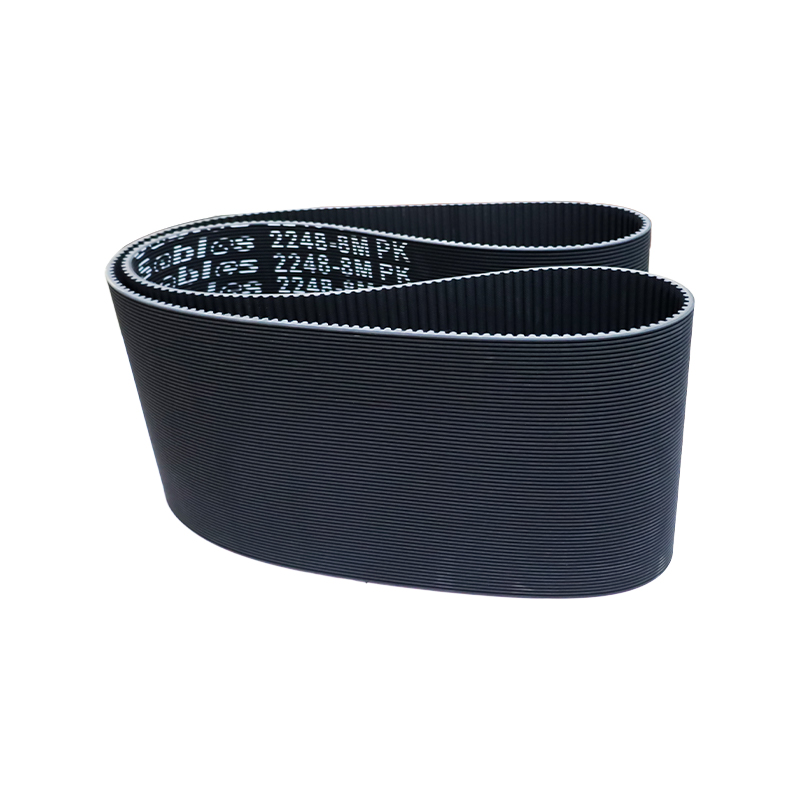
Flate belter brukes først og fremst til kraftoverføring mellom roterende aksler og for transport av materialer på tvers av industrielle, landbruks- og kommersielle applikasjoner. Ved kraftoverføring overfører de rotasjonskraft fra en drivende trinse til en eller flere drevne trinser, noe som gjør det mulig å drive maskineri fra en sentral kraftkilde. Ved transport danner de den bevegelige overflaten som frakter varer, pakker, bulkmaterialer og komponenter fra ett sted til et annet. Flate belter er et av de eldste og mest allsidige mekaniske drivelementene innen ingeniørfag, med aktiv bruk i tekstilfabrikker, sagbruk, trykkpresser, matforedlingslinjer, pakkesystemer, landbruksutstyr og mange andre industrier.
Deres definerende karakteristikk er et flatt, ensartet tverrsnitt - ingen tenner, spor eller V-profil - som lar dem kjøre stille i høye hastigheter, tolerere litt feiljustering og overføre kraft over lange senteravstander mellom trinser som ville være upraktisk for kjede- eller girdrift.
Kraftoverføring: Kjøremaskiner fra en sentral kilde
Den opprinnelige og historisk viktigste bruken av flate belter er kraftoverføring - som kobler en roterende drivaksel til en eller flere maskiner eller undersystemer. Denne applikasjonen var grunnlaget for den industrielle revolusjonen, da en enkelt dampmotor eller vannhjul kjørte dusinvis av maskiner samtidig gjennom et luftledningsakselsystem koblet til individuelle maskiner med flate belter. Mens moderne fabrikker bruker individuelle elektriske motorer for de fleste maskiner, er kraftoverføring med flat belte fortsatt mye brukt i spesifikke sammenhenger der fordelene fremfor andre drivtyper er avgjørende.
Langdistanse kraftoverføring
Flate belter kan overføre kraft over senteravstander på flere meter til over 10 meter mellom drevne og drevne trinser, langt over det praktiske området for kileremmer (vanligvis begrenset til 5 meter eller mindre uten mellomstøtte) og kjededrift (begrenset av vektnedbør og smørekrav). Dette gjør flate belter til den foretrukne løsningen i sagbruk, steinbrudd, landbruksforedlingsanlegg og tekstilfabrikker der maskiner må plasseres langt fra drivkraften.
Høyhastighets kraftoverføring
Flate belter fungerer effektivt ved høye periferihastigheter - kvalitetstekstil og syntetiske flate belter er designet for beltehastigheter på 25 til 50 meter per sekund (5000 til 10 000 fot/min) , betydelig høyere enn de praktiske fartsgrensene for kileremmer (typisk 30 m/s maksimum) og rullekjeder (typisk 20 m/s maksimum). Ved disse hastighetene kjører flate reimer med lav vibrasjon og støy, noe som gjør dem egnet for høyhastighets verktøymaskiner, slipespindler og presisjonstekstilmaskineri der jevn, stille kraftlevering er avgjørende.
Hastighetsforhold endres gjennom trinnede trinser
Flate remmer kan forskyves sideveis fra ett diametertrinn til et annet på en kjegletrinn med trinn mens maskinen er i gang – en hastighetsendringsmekanisme som var standard på metalldreiebenker og fresemaskiner i over et århundre, og som fortsatt brukes i noe verkstedutstyr i dag. Den flate remmens jevne bredde og minimale bøyestivhet gjør at den kan skiftes manuelt med en beltegaffel, noe som muliggjør diskrete hastighetsendringer uten å stoppe maskinen, skifte gir eller bruke en frekvensomformer.
Cross-Belt og Quarter-Turn Drive-konfigurasjoner
I motsetning til kileremmer og synkronremmer, kan flate reimer installeres i krysset (reversert retning) og kvartsvings konfigurasjoner for å overføre kraft mellom aksler som ikke er parallelle. Et krysset flatt belte reverserer rotasjonsretningen til den drevne akselen i forhold til driveren - nyttig der en drevet maskin må rotere motsatt av drivmotoren uten ekstra giring. En kvartomdreining kobler aksler i 90 grader til hverandre. Begge konfigurasjonene er unike for flatremdrift og er upraktiske eller umulige med andre beltetyper.
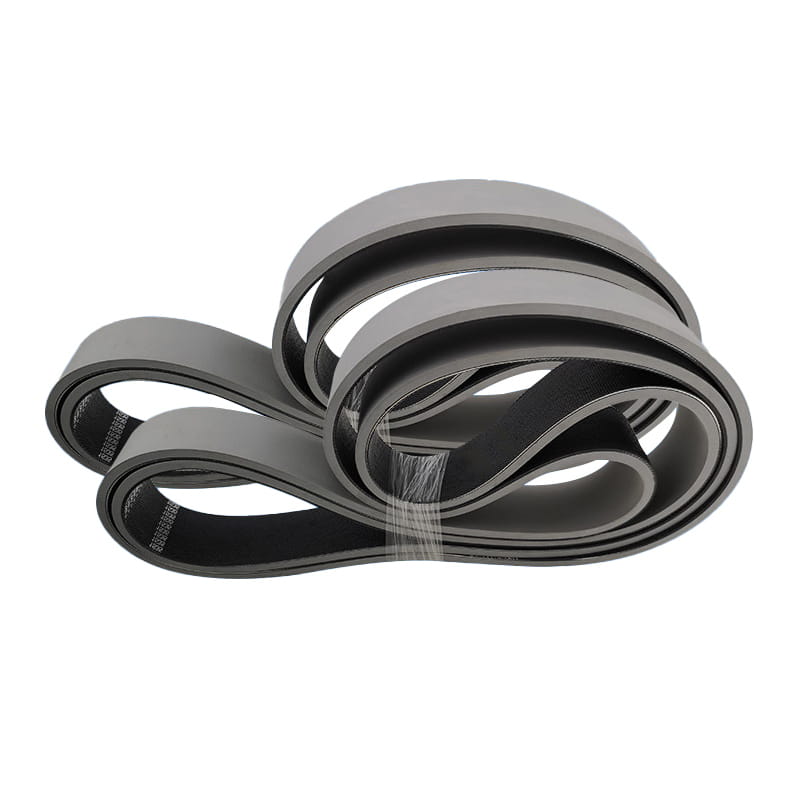
Transportbånd og materialhåndteringsapplikasjoner
Flate belter danner den bevegelige overflaten til utallige transportsystemer på tvers av produksjon, logistikk, matforedling og gruvedrift. Som et transportbånd gir den flate profilen en jevn, sammenhengende overflate som gjenstander kan plasseres på, akkumuleres, sorteres, inspiseres og overføres – funksjoner som er sentrale i moderne produksjons- og distribusjonsoperasjoner.
Lett pakke- og pakketransport
Flate belter er standard transportmedium i pakkesorteringsanlegg, kurerknutepunkter, bagasjehåndteringssystemer på flyplasser og e-handelssentre. Den glatte overflaten gjør at pakker av enhver form – esker, poser, konvolutter, polyposer – kan transporteres uten å hakke seg, og deres milde akselerasjons- og retardasjonsegenskaper minimerer skade på skjørt innhold. Store sorteringsanlegg kan drive flate båndtransportnettverk med totale båndlengder på flere kilometer , håndtering av hundretusenvis av pakker per dag.
Matforedling og hygienisk transport
Flate belter av matkvalitet laget av polyuretan, silikon eller godkjente termoplastiske elastomerer brukes i stor utstrekning i matforedlingslinjer for å transportere bakevarer, ferske råvarer, kjøttprodukter, meierivarer, godteri og pakket mat. Flatbelter av matkvalitet er designet for å være:
- Motstandsdyktig mot oljer, fett, sure matjuicer og rengjøringskjemikalier
- Ikke-porøs og lett å rengjøre, forhindrer mikrobiell opphopning
- Samsvar med FDA, EU og andre forskrifter for matvarekontakt
- Kompatibel med høytrykksvask og damprengjøring uten delaminering eller hevelse
I bakerier fører flate belter brød gjennom proofers og ovner ved temperaturer opp til 200 °C (392 °F) i tilfelle av varmebestandige silikon- eller PTFE-belagte belter, muliggjør kontinuerlig, automatisert produksjon i hastigheter som ville være umulig ved manuell håndtering.
Håndtering av tekstil og stoff
Flate belter har vært integrert i tekstilproduksjon i over to århundrer. I spinnerier, vevstoler og etterbehandlingsmaskiner overfører flate belter kraft til maskinkomponenter og transporterer garn, tråd og stoff gjennom sekvensielle behandlingstrinn. Den glatte overflaten til et flatt belte er avgjørende i tekstilapplikasjoner for å unngå å sette seg fast eller skade ømfintlige fibre – et krav som eliminerer ribbe- og tannbeltealternativer fra de fleste tekstiltransporterende roller.
Utskrift og papirhåndtering
Kommersielle trykkpresser, papirfabrikker og dokumentbehandlingsutstyr bruker flate belter i stor grad for papirmating, transport og stabling. Den flate profilen tillater presis, skånsom kontakt med papiroverflaten uten merking, og høyhastighetsevnen til flate bånd matcher de krevende gjennomstrømningskravene til moderne trykkpresser som opererer på 30 000 til 100 000 visninger per time . Tynne, fleksible flate belter med nøyaktig kontrollert tykkelse og overflatejevnhet er spesifisert for bruksområder der papiret må føres uten krølling eller forskyvning av vått blekk.
Industri- og produksjonsapplikasjoner etter sektor
Flate belter tjener spesifikke og kritiske funksjoner på tvers av et bredt spekter av bransjer. Følgende eksempler illustrerer bredden og spesifisiteten til deres industrielle anvendelser.
Sagbruk og treforedling
Store sagbruksbåndsager og sirkelsager drives av flate belter fra høyeffekts elektriske motorer, og utnytter flatbeltets evne til å overføre høy kraft ved høye hastigheter over lange senteravstander. Slipkarakteristikken til flate remmer gir også en grad av overbelastningsbeskyttelse - hvis et sagblad møter en uventet hardtre-inkludering som ville stoppe en direktedrevet motor, vil beltet skli et øyeblikk i stedet for å overføre hele stallmomentet til maskinstrukturen. Tømmertransport innen sagbruk bruker også kraftige flate belter med klossede overflater for å frakte tømmerstokker gjennom avbarking, kapping og sortering.
Landbruksutstyr
Skurtreskere, treskemaskiner, kornheiser og frøbehandlingsutstyr er avhengige av flate belter. I en skurtresker overfører flate belter kraft fra hovedmotoren til skjærebord, tresketrommel, rensesko og kornløfter – ofte med flere flate belter som kjører samtidig. Det støvete, agnetfylte miljøet ved kornhøsting tolereres godt av flate belter, som er mindre følsomme for forurensning enn kjededrev og krever ingen smøring som kan forurense kornet.
Gruvedrift og steinbrudd
Kraftige flate belter brukes i gruvedrift og steinbrudd for malmtransport, knusedrift og silutstyr. Store dagbruddsdrifter bruker flate båndtransportører som strekker seg over kilometer å transportere utvunnet malm fra gruveflaten til prosessanlegg, erstatte lastebiltransport på kontinuerlige ruter og levere betydelige energi- og driftskostnadsbesparelser. Beltebreddene i større gruvedrift kan overstige 2400 mm (8 fot) , som frakter materiale med hastigheter på tusenvis av tonn i timen.
Pakke- og tappelinjer
Flate belter akkumulere, plassere og transportere flasker, bokser, kartonger og poser mellom fyllings-, lokk-, merke-, inspeksjons- og palleteringsstasjoner på høyhastighetspakkelinjer. Den glatte overflaten minimerer at beholderen velter og lar beholderne samle seg uten å sette seg fast. Sidebøyende flate beltevarianter navigerer i buede deler av transportbånd, og muliggjør kompakte linjeoppsett som minimerer plantegulvet.
Flate beltematerialer og deres spesifikke bruksområder
Materialesammensetningen til et flatt belte bestemmer dets egnethet for spesifikke driftsforhold - temperatur, kjemisk eksponering, nødvendig friksjonskoeffisient og mekaniske belastninger. Moderne flate belter er ikke bare flate strimler av et enkelt materiale; de er konstruerte laminater som kombinerer strukturelle strekkelementer med funksjonelle overflatelag.
Vanlige flate beltematerialer og deres primære bruksområder og viktige ytelsesegenskaper | Material | Temperaturområde | Nøkkelegenskaper | Typiske applikasjoner |
| Skinn | Opptil 70°C | Høy friksjon, fleksibilitet, etablert pålitelighet | Heritage maskineri, verksted linje sjakter |
| Gummi (stoffforsterket) | -25°C til 80°C | Høy strekkfasthet, oljebestandige kvaliteter tilgjengelig | Gruvetransportbånd, landbruksutstyr |
| Polyuretan (PU) | -30°C til 80°C | Utmerket slitestyrke, matkvaliteter, presis tykkelse | Matforedling, pakking, presisjonsformidling |
| Silikon | -60°C til 200°C | Høy temperaturbestandighet, non-stick overflate, matsikker | Bakerovner, tørketunneler, høytemperaturmatlinjer |
| PTFE-belagt stoff | Opptil 260°C | Ekstrem temperaturbestandighet, non-stick, kjemisk treghet | Herding av kompositt, elektronikkproduksjon, kjemisk spesialbehandling |
| Termoplastisk elastomer (TPE) | -20°C til 60°C | Lette, fleksible, sveisbare endeløse skjøter | Lystransport, postsortering, flyplassbagasje |
| Nylon / polyamid stoff | Opptil 100°C | Svært høy hastighet evne, lav forlengelse, tynn profil | Tekstilmaskineri, høyhastighetsdriftsapplikasjoner |
Flate belter vs. andre beltetyper: Når flate belter er det riktige valget
Flate belter konkurrerer med kileremmer, synkrone (tann) belter og runde belter i mange kraftoverføringsapplikasjoner. Å forstå når flate belter overgår disse alternativene, tydeliggjør deres spesifikke verdi og passende utvalgskriterier.
Flate belter vs. kileremmer
Kileremmer bruker et kileformet tverrsnitt som genererer høyere friksjonskraft per enhet beltespenning gjennom en kilehandling i remskivens spor - slik at de kan overføre mer kraft per enhetsbredde enn et flatt belte ved tilsvarende spenning. Kilereimer foretrekkes derfor for kompakt kraftoverføring med høyt dreiemoment ved moderate senteravstander. Imidlertid utkonkurrerer flate remmer kileremmer i:
- Drift med svært høy hastighet — flate belter kan operere i 40 til 50 m/s med lav varmeutvikling; Kilereimer genererer mer varme gjennom kilefriksjon ved høye hastigheter
- Lange senterdistansekjøringer — Flate belter er mer stabile over lange spenn på grunn av lavere bøyestivhet og lavere vekt
- Formidle søknader — den flate overflaten er avgjørende for å bære gjenstander; Kileremmer kan ikke tjene denne funksjonen
- Ikke-parallelle akseldrev — Kryss- og kvartsvings flate reimkonfigurasjoner har ingen kileremekvivalenter
Flate belter vs. synkrone (tannede) belter
Synkronbelter gir positivt inngrep (ingen slip) og opprettholder presise hastighetsforhold – avgjørende for tidskritiske applikasjoner som kamakseldrev, servomotordrift og indekseringstransportører. Flate remmer kan ikke opprettholde nøyaktige hastighetsforhold på grunn av iboende skli ved remskivens kontakt. Imidlertid foretrekkes flate belter der:
- Overbelastningssklibeskyttelse er nødvendig — flat belteslip under overbelastning beskytter drevne maskiner; synkronbelter overfører fullt overbelastningsmoment frem til reimsvikt eller motorutløsning
- Det brukes svært store trinsediametre — flate belter kjører effektivt på trinser med stor diameter; synkrone remmer på store tannhjul gir betydelige kostnader og vekt
- Hastighetsforhold justeres ved endringer i remskivens diameter — flate beltesystemer kan enkelt rekonfigureres; synkrone reimdrifter krever tilpassede tannhjuls- og remstigningsendringer
Spesialitet og nye anvendelser av flate belter
Utover deres tradisjonelle roller innen kraftoverføring og bulktransport, har flate belter funnet stadig mer spesialiserte applikasjoner i moderne teknologi og presisjonsindustrier.
Elektronikk og halvlederproduksjon
Renromsrangerte flate belter transporterer silisiumskiver, trykte kretskort og elektroniske komponenter gjennom automatisert monterings- og inspeksjonsutstyr. Disse beltene må være antistatiske (ESD-dissipative) for å forhindre skade på elektrostatisk utladning på sensitive komponenter, ikke-partikkelgenererende for å opprettholde luftkvaliteten i renrom, og dimensjonalt presise for å sikre nøyaktig posisjonering i automatiserte håndteringssystemer. Spesialiserte flate belteformuleringer for elektronikktransport oppfyller kravene til renromskompatibilitet i ISO klasse 5 (klasse 100).
Medisinsk utstyrsproduksjon og farmasøytisk prosessering
Samlebånd for medisinsk utstyr og produksjon av farmasøytiske tabletter/kapsler bruker flate belter som oppfyller strenge krav til renholdbarhet og materialoverholdelse. Belter i disse applikasjonene må være kompatible med isopropylalkohol, hydrogenperoksid og andre steriliseringsmidler som brukes for å opprettholde kontamineringskontroll, samtidig som de ikke etterlater ekstraherbare kjemiske rester som kan forurense farmasøytiske produkter.
Overflater på tredemølle og treningsutstyr
Løpeoverflaten på tredemøller er et flatt belte - typisk en flerlagskonstruksjon med en lavfriksjonsunderside for jevn løping over dekk og en strukturert øvre overflate for grep. Tredemølle flate belter er konstruert for å tåle kontinuerlig høyhastighetsdrift, dynamisk støtbelastning ved løping (flere ganger kroppsvekt) og varme som genereres av friksjon med dekket. Tredemøllebelter til forbrukere opererer vanligvis med hastigheter opp til 20 km/t (12,4 mph) i perioder på timer, som krever belter med høy slitestyrke og dimensjonsstabilitet.
Optisk sorterings- og kvalitetsinspeksjonslinjer
Høyhastighets optiske sorteringssystemer for landbruksprodukter (nøtter, frø, korn, frukt), resirkulerte materialer og farmasøytiske tabletter krever flate belter med svært konsistent overflatefarge og tekstur slik at maskinsynskameraer nøyaktig kan skille produktfarge fra beltebakgrunn. Spesielt formulerte flate belter i spesifikke farger (typisk svart, grått eller hvitt avhengig av produktet som sorteres) med ikke-reflekterende overflater produseres for disse bruksområdene, der sorteringshastigheter på 100 000 stykker per minutt eller flere stiller ekstreme krav til beltepresisjon og stabilitet.
Viktige fordeler som gjør flate belter til det foretrukne valget
På tvers av de forskjellige bruksområdene beskrevet ovenfor, velges flate belter fremfor konkurrerende driv- og transportteknologier på grunn av et spesifikt sett med ytelsesfordeler som er unikt egnet for krevende driftsforhold:
- Høyhastighetsdrift — beltehastigheter på 25 til 50 m/s med lav vibrasjon og støy, som overgår de fleste alternative drivtyper
- Mulighet for lang senteravstand — effektiv kraftoverføring over spennvidder på flere meter uten mellomstøtte
- Sklibasert overbelastningsbeskyttelse — kontrollert glidning ved overbelastning beskytter drevne maskiner mot skader som kan oppstå fra stive drivforbindelser
- Toleranse for feiljustering — flate remmer kan tåle større akselforskyvning enn kjededrev eller tannremmer uten betydelig ytelsestap
- Allsidige stasjonskonfigurasjoner — åpne, kryssede og kvartsvingende installasjoner muliggjør kjøring mellom ikke-parallelle aksler
- Ingen smøring nødvendig – flate belter krever ingen olje eller fett, noe som eliminerer forurensningsrisiko i mat, farmasøytiske og rene produksjonsmiljøer
- Dobbel funksjon som transportflate – et enkelt flatt belte kan samtidig overføre kraft og transportere varer, noe som reduserer systemets kompleksitet sammenlignet med separate driv- og transportmekanismer
- Bredt utvalg av materialvalg — fra næringsmiddelgodkjent silikon til PTFE-belagt glassfiber, som gjør at flate belter kan fungere i ekstreme temperaturer, kjemiske miljøer og renromsforhold der andre beltetyper ikke kan fungere